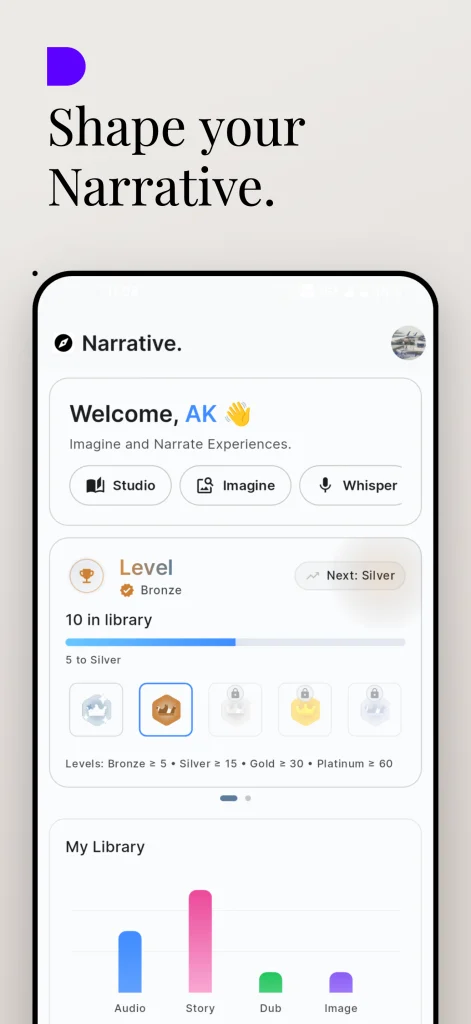
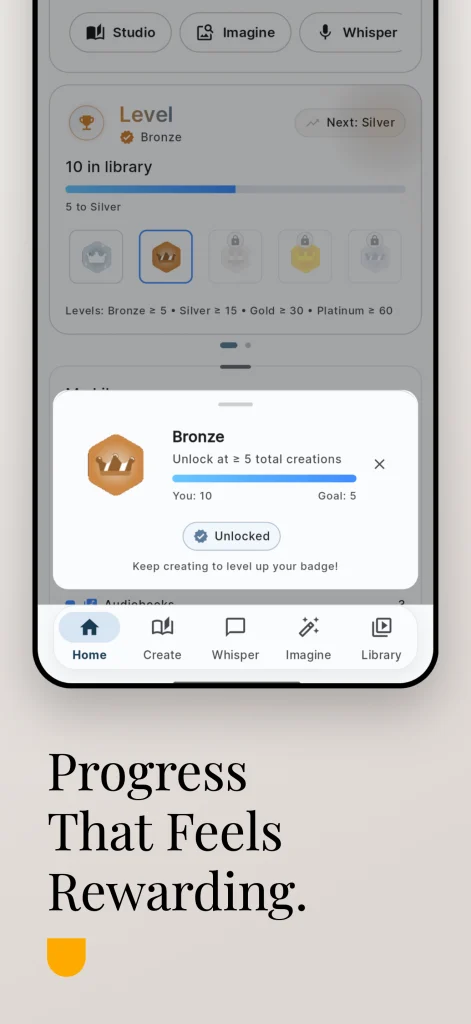
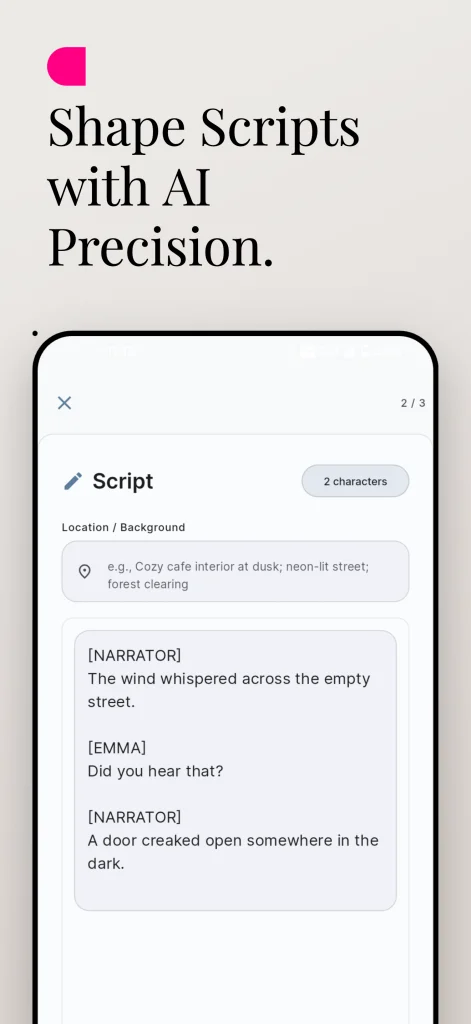
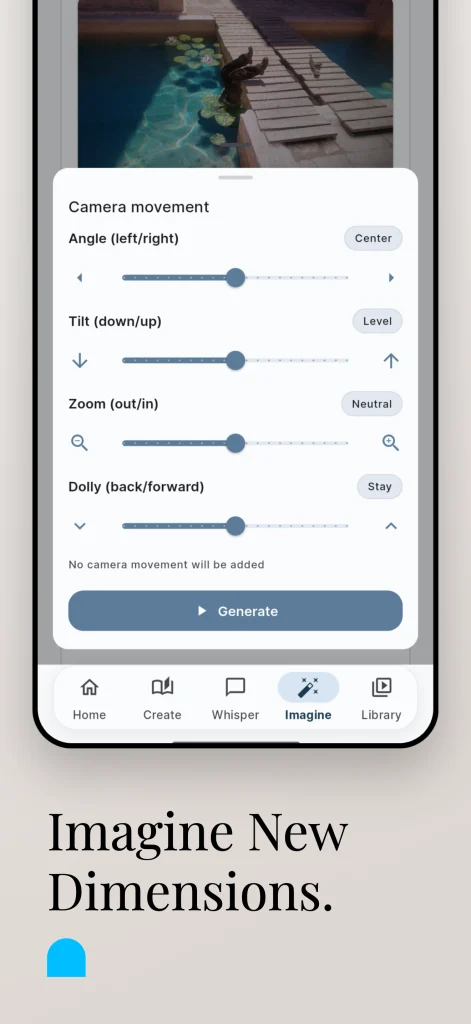
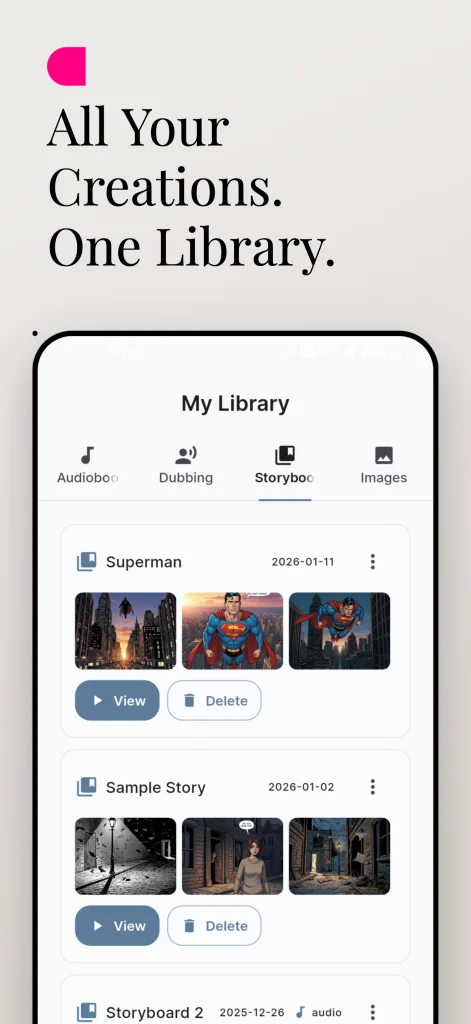
A good story often starts as a rough idea, a short note or a scene that appears in your mind at the wrong time. The difficult part is turning that idea into something structured and readable. A Narrative APK is designed to make that process easier by giving writers a digital space where they can capture ideas, organise scenes and develop stories without relying on scattered notes.
Depending on the specific version or developer, features can vary. Some narrative-focused apps are built mainly for creative writing while others include interactive storytelling, planning tools, character management or reading features. Understanding what the app actually offers is important before installing it, especially if you need it for a particular type of writing project.
Why People Use Narrative Apps
Story writing becomes complicated surprisingly quickly. A short story may only need a few characters and locations, but a longer project can involve timelines, relationships, plot twists and dozens of small details that need to remain consistent.
A narrative application can bring those pieces together in one place. Instead of keeping character notes in one document and story ideas somewhere else, writers may be able to manage their material inside a single workspace.
Typical uses can include:
- Drafting short stories or longer fiction
- Recording story ideas before they are forgotten
- Planning characters and relationships
- Organising scenes or chapters
- Building story timelines
- Revising existing drafts
- Reading or developing interactive narratives
The exact tools available depend on the application, so users should always check the official app description rather than assuming every feature is included.
Story Organisation Can Matter as Much as Writing
Many beginners focus only on the writing screen. Organisation becomes more important as a project grows.
Imagine writing a mystery with ten characters. One person appears in chapter two, another detail becomes important in chapter eight and an event mentioned early in the story must match something that happens later. Without organised notes, small continuity mistakes can easily appear.
A Narrative App may help by separating different parts of the project. Writers can potentially keep scenes, character information and plot notes easier to find instead of scrolling through one extremely long document.
This does not automatically make a story better. The app provides structure, but the writer still needs to make creative decisions about pacing, dialogue, character motivation and plot development.
Features Worth Checking Before Choosing an App
Not every writing tool suits every type of writer. Someone creating short personal stories has different needs from a novelist planning a 100,000-word manuscript.
Drafting and Editing Tools
A clean writing interface is usually one of the most useful features. Too many menus and controls can become distracting when the main goal is simply to write.
Look for basic functions such as text editing, easy navigation between sections and reliable saving. Writers who frequently revise may also want search tools, version history or simple ways to rearrange scenes.
Character and Plot Planning
Longer stories often benefit from dedicated planning areas. Character profiles can help writers remember names, relationships, personality traits and background information.
Plot planning tools may allow scenes to be arranged in sequence or grouped into chapters. This is especially useful when writing stories with several timelines or multiple points of view.
Cloud Sync and Backup
Losing several hours of writing is frustrating. Losing an entire manuscript is much worse. If the app stores projects online, check whether automatic syncing or cloud backup is available. Writers working across a phone, tablet and computer should also verify whether projects can move between those devices. Local backups can still be useful even when cloud storage is included.
Export Options
A writing project eventually needs to leave the app. You might want to edit it in another program, send it to someone or prepare it for publishing.
Check which export formats are supported. Common options may include plain text, PDF or document formats, although availability depends on the developer and platform. Limited export options can become a serious problem if you later decide to switch applications.
Is a Narrative App Useful for Beginners?
Yes, provided the interface does not make writing unnecessarily complicated. Beginners often benefit from having basic structure because it encourages them to think about scenes, characters and story progression rather than writing everything as one continuous block.
At the same time, new writers should avoid spending more time organising than actually writing. It is easy to create detailed character profiles, timelines and folders while producing very little of the story itself.
A simple approach usually works better: write the main draft first and use planning features only when they solve a real problem.
Narrative App vs Regular Notes App
A standard notes app can be enough for very short projects. It is quick, familiar and usually good for collecting ideas.
Narrative-focused software becomes more useful when the project has several connected parts. A notes application might contain twenty separate story notes without showing how they relate. A dedicated writing tool may provide clearer project structure.
However, specialised software can also have disadvantages. It may require an account, include paid features or use a workflow that takes time to learn. Writers should choose based on the complexity of their project rather than assuming specialised software is always better.
Privacy Deserves Attention
Creative writing can contain private ideas, unpublished manuscripts or personal journal-style material. Before storing sensitive content in any application, review its privacy policy and account requirements.
Check whether your writing is stored locally or on remote servers. It is also worth understanding whether account deletion removes stored projects and whether the service explains how uploaded content is handled.
For important manuscripts, keeping an independent backup outside the application is a sensible habit. You can also download the Bluecord APK.
Common Mistakes New Users Make
One common mistake is moving an entire writing project into a new app before learning how its basic features work. Testing the platform with a small sample project first is safer.
Writers should also avoid depending completely on automatic saving. Exporting or backing up important work regularly gives you another copy if an account, device or application develops a problem.
Another mistake is choosing software based on the number of features. Twenty planning tools are not helpful if you only need a distraction-free place to write. The best application is usually the one that removes friction from your own writing process.
Who Will Get the Most Value From It?
A Narrative App can make sense for fiction writers, students, screenwriters, hobby writers and people developing interactive stories. It is especially useful when a project contains many scenes, characters or connected ideas that become difficult to manage in ordinary documents.
Writers producing simple articles, short notes or occasional journal entries may not need specialised software at all. A basic word processor could be faster.
Before choosing any narrative-focused app, check its current features, supported devices, storage system, export options and pricing directly from the official source because these details can change between versions. The right choice is not necessarily the app with the longest feature list. It is the one that lets you spend less time managing your writing tools and more time developing the story itself.


![SD Movies Point APK Download [Latest Version] 2026](https://apkpure.co.in/wp-content/uploads/2023/12/SD-Movies-Point-icon-96x96.webp)